Welcome to FoodSave

Join our community to fight food waste

By joining, you agree to our Terms and Privacy Policy

The Global Food Waste Problem

One-third of all food produced worldwide goes to waste. Together, we can change this.

Why Is Food Waste Wrong and Bad?

Moral Issue

While millions suffer from hunger and malnutrition, throwing away edible food is unfair and unethical.

Environmental Damage

Wasted food ends up in landfills, releasing methane, a powerful greenhouse gas that contributes to climate change.

Wasted Resources

Producing food requires water, energy, land, labor, and transportation. When food is wasted, all these resources are wasted too.

Economic Loss

Families, businesses, and governments lose billions of dollars annually from food that is bought but never eaten.

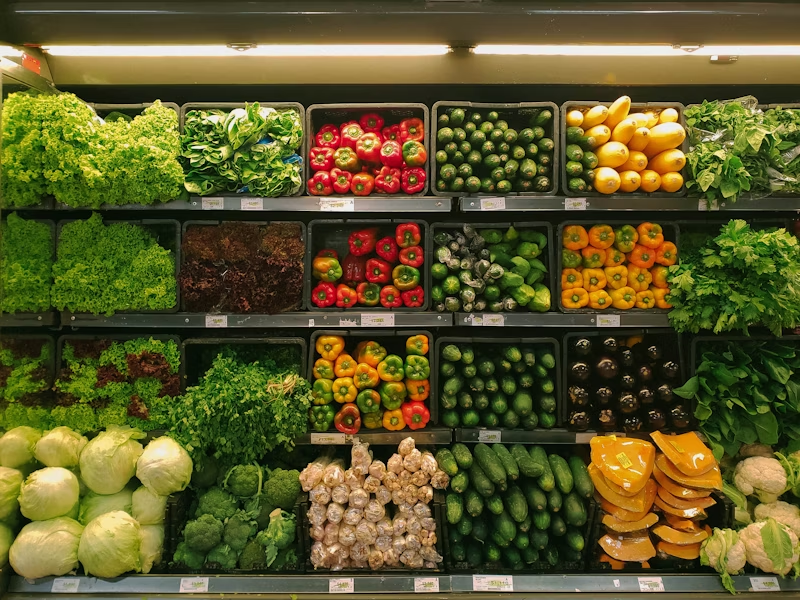
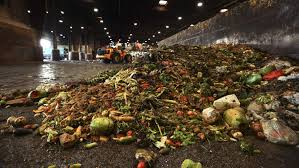
Food waste

Did You Know?

If food waste were a country, it would be the third largest emitter of greenhouse gases after China and the United States.

The water used to produce the food wasted could meet the domestic water needs of 9 billion people.

Reducing food waste is one of the most effective ways to fight climate change and conserve resources.
Causes of Food Waste

Understanding why food waste happens is the first step to solving the problem.

Lack of awareness

Common Causes of Food Waste

Lack of Awareness

Many people don't realize how much food they waste or how valuable it is. People throw away food just because it's "ugly," or past the "best before" date even when it's still safe.

Bad Storage

Improper refrigeration or storage causes fruits, vegetables, and meat to spoil quickly. People might forget about food at the back of the fridge or leave things uncovered.

Overbuying

Shoppers often buy more than they need, especially during sales or while shopping when hungry. Bulk buying without planning meals leads to unused, expired food.

Systemic causes

Systemic Causes in Supply Chain

Overproduction

Restaurants make too much food just in case. Farmers overgrow crops expecting some to be rejected by retailers. Stores reject food for cosmetic reasons (e.g. a bent carrot or a spotty apple).

Supply Chain Issues

Inefficient transportation and distribution systems lead to spoilage before food reaches consumers. Strict retailer standards cause rejection of imperfect but edible produce.

Consumer Behavior

Large portion sizes in restaurants lead to uneaten food. Confusion over date labels ("best before" vs "use by") causes premature disposal. Lack of meal planning results in unused ingredients.

The Scale of the Problem

Globally, about 1.3 billion tons of food is wasted annually - that's about one-third of all food produced for human consumption.

In developed countries, most waste occurs at the retail and consumer levels. In developing countries, it's more likely to happen during production and storage.

The average American family throws away about $1,500 worth of food each year - that's like throwing away one out of every four bags of groceries you buy.

Food waste in trash

Impacts of Food Waste

The consequences of food waste extend far beyond just uneaten meals.

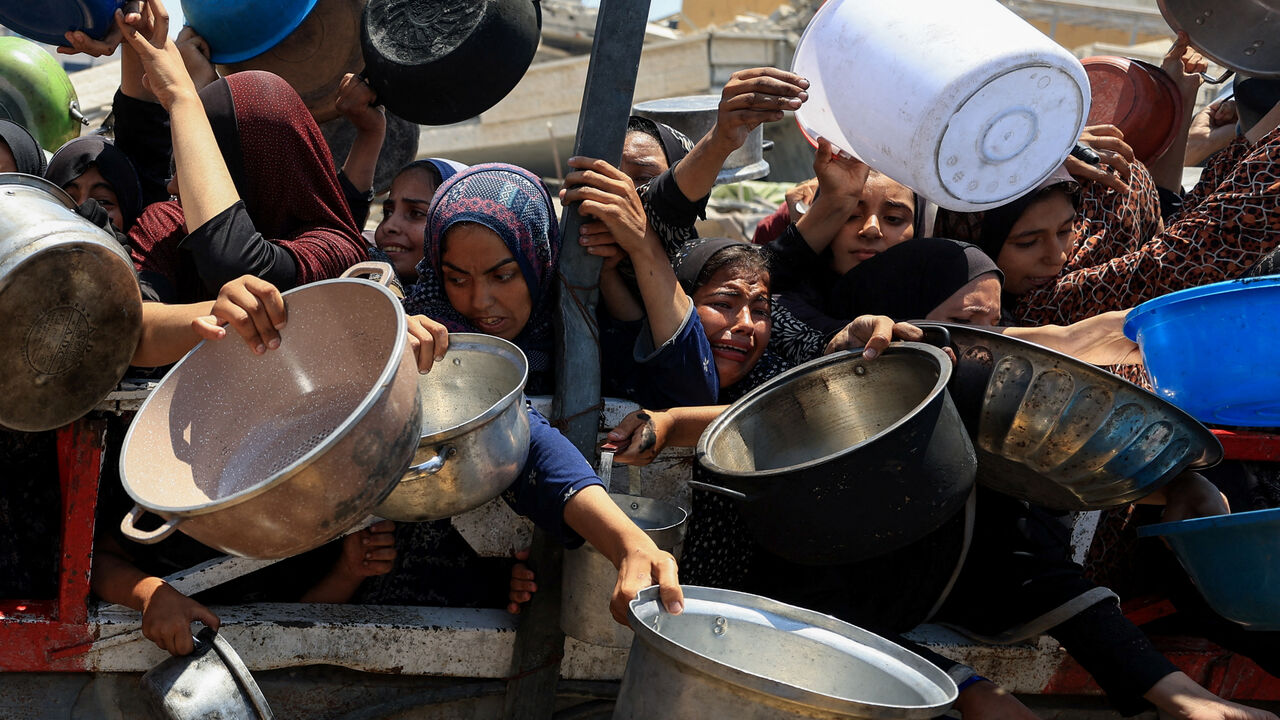
Hunger impact

Hunger

One-third of all food produced is wasted, yet hundreds of millions of people go hungry. This imbalance highlights a failure in the distribution of resources.

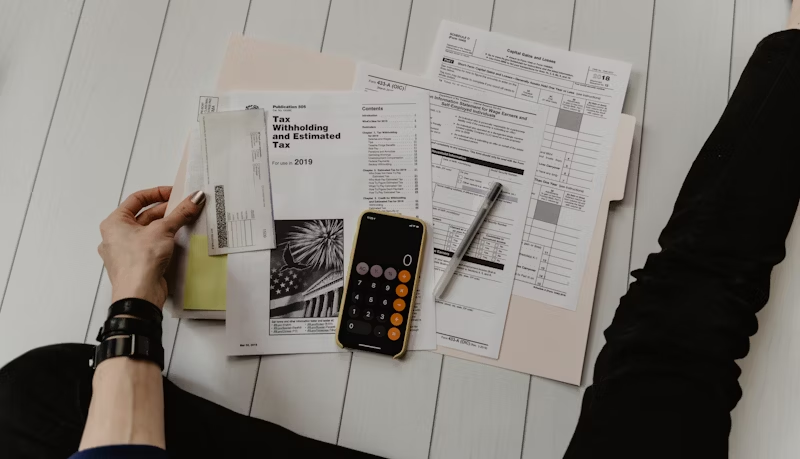
Economic loss

Economic Loss

Households and businesses lose money on food that is never eaten. Globally, food waste causes hundreds of billions of dollars in losses each year.

Wasted resources

Wasted Resources

To grow and deliver food that gets wasted, we use water, land, fuel and energy that could be conserved if we reduced waste.

Environmental impacts

Environmental Impacts

Greenhouse Gas Emissions

When food decomposes in landfills, it produces methane, a greenhouse gas 25 times more potent than carbon dioxide. Food waste accounts for 8% of global emissions.

Water Waste

Agriculture uses 70% of global freshwater. Wasting food means wasting all the water used to produce it - about 45 trillion gallons annually.

Land Use

An area larger than China is used to grow food that is never eaten. This leads to unnecessary deforestation and habitat loss.

Social and economic impacts

Social and Economic Impacts

Hunger and Inequality

The amount of food wasted globally could feed all 815 million hungry people in the world four times over. This highlights global inequalities in food distribution.

Business Costs

Restaurants lose about $162 billion annually in food waste costs. Grocery stores lose $15 billion annually in unsold fruits and vegetables alone.

Household Budgets

The average family of four in the U.S. throws away about $1,500 worth of food each year - money that could be saved or spent on other necessities.

Food waste impact

The Bigger Picture

Reducing food waste is one of the most effective ways to combat climate change. If food waste were a country, it would be the third largest emitter of greenhouse gases after China and the US.

The resources used to produce wasted food (land, water, energy, labor, capital) could be redirected to more productive uses if we reduced waste.

Solving food waste requires systemic changes across the entire food supply chain - from farm to fork - as well as changes in consumer behavior and policy.

Solutions to Food Waste

Everyone has a role to play in reducing food waste - from individuals to businesses to governments.

Individual actions

Individual Actions

Spreading Awareness

Campaigns and education programs help people understand expiry labels ("Best before" ≠ unsafe to eat), proper portion sizes, and meal planning. Schools, media, and governments can play a role.

Storage Education

Teaching people how to store food properly (e.g. fridge temp, dry storage, use of containers). Use of the FIFO rule – "First In, First Out" – so older food is used before newer items.

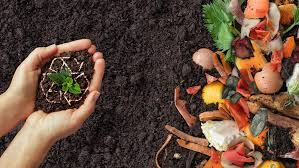
Composting

Turning food scraps into compost helps nourish soil instead of creating methane in landfills. Good for gardens and farming, and reduces waste in trash bins.

Systemic solutions

Systemic Solutions

Food Waste Laws

Some countries have laws that ban supermarkets from throwing away edible food (France), encourage donations to charities, and penalize overproduction and improper disposal.

Feeding Animals

Leftover (but safe) food can be turned into animal feed, reducing need for other feed production. This creates a circular economy for food waste.

Technology Solutions

Apps that connect restaurants with surplus food to charities, smart fridges that track expiration dates, and AI-powered inventory systems can all help reduce waste.

Shop smart

Shop Smart

Plan meals, make shopping lists, avoid impulse buys, and understand expiration dates to buy only what you need.

Proper portions

Serve Proper Portions

Start with smaller portions and go back for seconds if still hungry. Restaurants can offer half-portion options.

Donate surplus

Donate Surplus

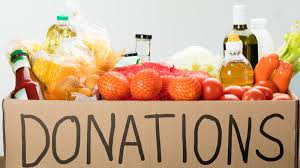
Support food banks and shelters by donating excess food before it spoils. Many apps connect donors with local charities.

Success Stories

France became the first country to ban supermarkets from throwing away or destroying unsold food, forcing them to donate it instead. This law has dramatically increased food donations to charities.

In South Korea, residents must pay for food waste by weight. The country has implemented high-tech food waste bins that weigh scraps and charge accordingly, reducing food waste by 30%.

Denmark has reduced its food waste by 25% in just 5 years through consumer education campaigns, better food labeling, and initiatives like "Too Good To Go" that sell surplus restaurant food at discount prices.

Food donation

My Points

Track your contributions to reducing food waste and earn rewards

Your Current Points

1,250 Points

You're 25% of the way to your next reward level!

How to Earn Points

Upload Photos of Your Efforts

Upload images of you preserving food well in refrigerator, feeding animals with food scraps, or composting organic wastes.

Wait for Review

Our team will review your submissions within 48 hours and award points based on your contributions.

Earn Rewards

Redeem your points for discounts at partner stores, donations to food banks in your name, or exclusive sustainability products.

Upload Your Photos

Drag & drop your images here or click to browse

Supports JPG, PNG (Max 5MB each)

Reward Levels

Green Sapling (500 pts)

10% off at partner stores

Digital badge for your profile

Mighty Oak (2,500 pts)

20% off at partner stores

$10 donation to food bank

Reusable shopping bag

Planet Hero (5,000 pts)

30% off at partner stores

$25 donation to food bank

Premium compost bin